Showing posts with label fall. Show all posts

Saturday, November 29, 2014

Pumpkin Stew with Fresh Chiles & Feta Cheese


I am making this hearty, comforting pumpkin dish tonight.  It is one of my daughter's favourites and it reheats well.  I use pumpkin and squash interchangeably in most recipes depending on what I have on hand.  Use fresh and not canned pumpkin which is pureed. Alternately, a good substitute is a dense orange squash like butternut.  The original recipe was from Peru and it was made with serrano peppers which are 5 times hotter than jalapenos.


Below the cayenne peppers are spread out to ripen in the house.  I had them near the fire for a week or two which helped totally dry them out for storage


Click this link to print recipe.

ORGANIC INGREDIENTS
Makes six servings about 300 grams each

1 Tbsp (15 ml) sunflower or other neutral oil like grapseed
1 cup (250 ml) onion, raw, chopped - I use red
2 cloves garlic, minced
1 fresh cayenne, serrano or jalapeno pepper, minced (to taste) - I used 2 dried cayenne
2 potatoes, with skin, raw, cut into cubes - I prefer red potatoes but any will do
8 cups (2 liters) pumpkin, raw, cubes (or squash or sweet potatoes)
1/4 cup (60 ml) water - add more as necessary
1/4 cup (60 ml) milk or cream (coconut milk works if you need a non-dairy version)
1 cup (250 ml) Ontario cheese like brebis, feta or semi-soft goat cheese (skip cheese for non-dairy or vegan version)
1/4 tsp (1.25 ml) sea salt
1/2 tsp (2.5 ml) black pepper, freshly ground
1/2 cup (125 ml) cilantro, fresh, minced (or parsley, oregano)

METHOD:

1.  Heat oil in non-stick skillet over medium high heat.  Saute chopped onion, minced garlic and chiles until soft and fragrant.  I used a few of my dried garden cayenne peppers.


 2.   Scrub potatoes but leave the skins on for extra fibre and nutrition.  Dice into bite-size squares.


3.  Peel and cut fresh pumpkin (or squash) into cubes.  I use a very sharp chef's knife to split the pumpkin in half and set aside the seeds to dry for the summer garden.  I cut it into strips, peel and cube as below.  It is a bit of work but worth the effort. 
 

I save my vegetable scraps in a bag and freeze them.  I will use them later to make a fragrant vegetable broth.  Pumpkin is really nice in vegetable stocks as it imparts a sweet flavour and golden colour.


4.  Add diced raw pumpkin and potatoes with water to the skillet.  Cover and cook over medium low heat until the pumpkin and potatoes are tender.  I cooked mine 10 minutes and thought it was too long.  I like the pumpkin a bit less mushy.
 

5. Stir in the milk (or cream) and crumbled cheese and heat through.  I used goat cheese in tonight's version but I usually use feta.  It would also be good with the Brie, Brebis or Camembert cheese.  Brebis to me is the French equivalent to feta - a creamy, soft, unripened cheese made with sheep's milk.  PC brand is 26% MF and very delicious. If you want a dairy free version you can use coconut milk and skip the cheese.  Season with salt and pepper.  Garnish with fresh minced cilantro.  You can substitute fresh or dried oregano and/or parsley instead of the cilantro. 


Don't toss the pumpkin seeds!  You can dry them to plant in this summer's garden or toast them for a tasty snacks.  I will sit down and remove the "gunk" and spread them out on a tea towel to air dry.  I have good results and rarely have to buy pumpkin seeds.  I also save the seeds from any organic squash I buy at the store and grow some for myself.  Roast the seeds in a 350'F oven on a lightly oiled pan until lightly brown and toasted.

NUTRITION FACTS: Pumpkin a very versatile and nutritious vegetable that is very good in cookies, muffins, pancakes, pie, savoury quiche, soup, stews and casseroles.  The dark orange vegetables like pumpkin, winter squash, sweet potatoes and carrots outshines all others in beta carotene which our body converts to vitamin A. Research has found that a diet rich in beta-carotene can reduce your risk of developing certain cancers and helps prevent heart disease. Beta-carotene also maintains good vision and fights infection. They are also packed with fibre, antioxidants, vitamins B6, C and K as well as calcium, potassium and folate. The flesh of the pumpkin is lower in calories and carbohydrate compared to sweet potatoes.

Per 300 g/approximately 1 cup serving of the casserole has:
190 calories, 9 g fat, 4.5 g saturated fat, 25 mg cholesterol, 400 mg sodium, 24 g carbohydrate, 3 g fibre, 5 g sugar, 7 g protein.  % Daily Values are 60% vitamin A, 45% vitamin C, 20% calcium and 10% iron.

Yours in good taste, © Nancy Guppy, RD, MHSc.  http://nancyguppy.com/


Sunday, November 23, 2014

Beet Salad Morrocan Style


I dabble in Moroccan cooking and notice the recipes include a lot of my favourite foods like beets, pumpkin and squash. These foods are easy to grow and keep well which fits in with me being more self-sufficient. 

I have also been trying to get young people to eat beets and I am surprised how few of them like beets. Ian said they taste like dirt! Most of them were never served beets at home. And yes, they do taste a bit like dirt! I am attributing this to their high mineral content. I did a bit of research and did in fact learn that the taste of the beet reflects the elements in the soil where they are grown. Makes sense.


Print a copy of this recipe.


Makes 8 or more 1/ 2 cup - 125 ml servings


INGREDIENTS:
1 lb beets or approximately 4 cups/1 liter peeled and cubed) 
1 fresh lemon, juiced - about 1/4 cup (60 ml) 
1 Tbsp (15 ml) olive oil
1/8 tsp (.6 ml) cinnamon, ground
1/4 cup (60 ml) fresh parsley, chopped
Optional additions: chopped red onion, tbsp of honey, zest of the lemon, 1/4 tsp ground cumin and/or paprika.


METHOD: 
1.  Cut the green tops off leaving an inch (2.5 cm) or so. Leave the tap root intact as well.  These steps reduce "bleeding" of the beet juice into the cooking water.  Wash beets and boil in a covered saucepan until tender.  This can take longer than you think!  Let them cool in the cooking water.
2.  Use your hands to slip off the skins.  Chop them into cubes and place in bowl.
3. Combine rest of ingredients and pour over beets.  Toss to coat.  Let marinate for an hour or so before serving.


NUTRITION FACTS (per 125 ml serving): 50 calories, 2 g fat, 0 g saturated fat, 0 mg cholesterol, 55 mg sodium, 7 g carbohydrate, 1 g fibre, 5 g sugar and 1 g protein. % Daily Values (based on 2,000 calorie diet are 2% vitamin A, 15% vitamin C, 2% calcium and 4% iron.


Yours in good taste, © Nancy Guppy, RD, MHSc.  http://nancyguppy.com/

Fun Fruit & Herb Vinegars

Over the years I have come up with numerous herb, fruit and flower combinations that I use when making flavoured vinegars.   I like to give these beautiful bottles as hostess and Christmas gifts.  It is ideal if you make these throughout the summer from your garden herbs and local berries.  I will mention a few that you can create during the winter months with fresh or frozen fruits and fresh herbs you can get from the store. 

Below is a photo of some of the summer vinegars I made (left to right): strawberry balasamic vinegar, apple cider with sage and cranberry and raspberry white wine vinegar.  I use them to add inspiration to my winter salads!  Follow this link to get a print copy of this blog post.


Vinegar is fermented wine derived from the French word vin aigre.  It contributes a bright, sharp flavour to food and can seriously reduce the amount of salt needed in recipes.  Vinegar, and other acidic foods such as tomatoes and lemon juice, have been shown to lower the glycemic index of the dish they are used in.  This means food is more slowly digested and leads to a slower rise in blood sugar.  Vinegar has next to no calories and is a friend of those watching their weight or those changing their food ways to manage heart disease, hypertension and diabetes.

The type of vinegar you use to make your flavoured vinegars depends on your preference, what you like to cook and your pocket book.  Higher prices are attached to the best vinegars.  I don't use everyday white distilled vinegar for much other than cleaning my toilet (did I say that?).  Vinegar lasts quite a while and gets used slowly so I buy the good ones and enjoy them.  The photo below shows the types of organic vinegar I have been using.


Apple Cider Vinegar is my everyday all purpose vinegar.  I buy a raw, unpasteurized, wood aged and organic apple cider vinegar from Eden organics.  It has the live "mother" or vinegar culture which appears as a cloudiness in the bottle.  This type of vinegar pairs well with fruits like apple, cranberry and pear.  It also goes well with strong herbs like tarragon, thyme, sage and rosemary.

Balsamic vinegar is traditionally made from Trebbiano grapes and aged in oak barrels.  It has a sweetish after-taste.  I have a Silver Leaf traditional Balsamico organic vinegar from Greece.  The real balsamic is aged 12 years for "vecchio" and 25 years for "extra vecchio."  Much of what we buy in the store is actually a wine vinegar with added caramel for colour and flavour. 

Rice vinegar is made from fermented rice or rice wine alcohol.  It has a subtle, sweet flavour.  Buy the unseasoned one without added sugar or salt.

Wine vinegars - white or red wine grapes are fermented in oak.  They range in flavour from mellow to sharp.  The white wine vinegar I am using is from Spectrum Natural and it is organic and a product of Modena, Italy.  They say it is a blend of Italian white wines that has been slowly fermented and aged.  The Inari red wine vinegar I am using is also organic and contains mother.  It is from Italy as well.

BERRY and HERB VINEGAR
Use on green salads, fruit salads or as part of a marinade for meat or poultry.  The vinegar will tenderize tougher cuts of meat and the taste will cook off (trust me)!  The benefit of using frozen berries is that they are cleaned and ready to go. 

1 cups (250 ml) fresh or frozen berries (e.g., cranberries, raspberries, blueberries)
Sprigs of fresh herbs, cleaned and dry
3 cups (750 ml) cider or other vinegar

Experiment!  Try:
- fresh apple slices, thyme and apple cider vinegar
- cranberry, sage and apple cider
- cranberry and rosemary with any vinegar is particularly festive for Christmas
- blueberry thyme and balsamic vinegar
- strawberries in balsamic vinegar
- raspberry, mint and white wine vinegar 

METHOD:

1.  Stuff berries and herbs into clean and sterilized bottles.   You can wiggle things around with a chop stick or skewer to get an artful arrangement.  The quantities above for berries and vinegar are approximate. 


2.  Pour vinegar of your choice over.  I like to use a funnel when I do this.  Make sure the herbs are completely covered as they can grow mold if they are not.  Add a bit extra if possible as the fruit and herbs will absorb a bit of the vinegar as they sit.  

3.  Seal, label and date.  Store in a cool place or refrigerator as berries have a tendency to ferment.  Read further down for more tips on the process.

HERBS:
You will need fresh herbs to go with the berries.  They are a bit pricey but there is a good selection in most grocery stores.  You can also add dried herbs to the vinegar if you prefer.  The flavour will be good but they are not as pretty.  When you begin using the vinegar be sure to remove any exposed herbs as the bottle empties.  If you don't take this precaution molds can grow on the exposed herbs.


BOTTLES TO USE:
Reduce, reuse, recycle.  This is your opportunity to clean and sterilize some bottles and jars that you like.  The first photo in this post shows (left to right) recovered whiskey bottle, tamari bottle and juice bottle.   Use bottles or glass jars that are free of chips or cracks.  Good choices are clear wine and liquor bottles.  You can pick up decorative bottles at many dollar stores but I prefer to recycle when I can.

HOW TO CLEAN AND STERILIZE BOTTLES:
Thoroughly soak and wash the bottles.   Remove old labels.  A baby bottle brush is handy for this task.  Sterilize them by immersing in a pan of water and simmering for 10 minutes.  Once sterilized, remove from water and invert on kitchen towel to dry.  Use while warm.

HOW TO SEAL YOUR BOTTLES:
You can buy stoppers at a wine making store.  They usually have cork or plastic stoppers.  I buy the plastic as they are easy to put through the dishwasher and keep clean.  I also buy the heat shrink covers they put over wine bottles.  They shrink around the bottle when immersed in boiling water.  You can also use steam from a kettle to shrink the wraps.


Yours in good taste, © Nancy Guppy, RD, MHSc.  http://nancyguppy.com/

Saturday, November 22, 2014

Italian Baked Beans (gluten free)


Pioneer Baked Beans was one of the most popular posts at my blog with time more then 6,000 hits.  Who'd a thought? Retro and comfort foods are supposed to continue to be big this year and as the weather gets colder here I for sure have been turning to home cooked soups, stews and casseroles.

Often I don't want the meat and the fat from the pork so I make a vegetarian version of baked beans. I have made these beans in the oven in a casserole baking dish, cast iron Dutch oven and also in a slow cooker. My instructions show slow cooker method followed by stove top and oven. The version below has cheese but it is easy to make VEGAN by skipping the cheese or topping with my recipe for quinoa polenta and toasted sunflower seeds.

Click this link for a printable recipe.

INGREDIENTS:
1 cup White pea or “Navy” beans - any dry bean - 250 ml
½ tsp Fennel seed - 2.5 ml
½ tsp Thyme - 2.5 ml
1 tsp Basil - 5 ml
1 Tbsp Hot chile pepper - 15 ml
1 cup Onion, diced - 250 ml
2 Garlic, cloves, minced 
24  Carrots, baby, medium 
28 fl oz Diced tomatoes, canned, with juice - 798 ml
5 fl oz Tomato paste, canned - 156 ml
1 cup Wine, white, dry - 250 ml
1 ¼ lb Polenta, tube, ready to serve (e.g., Aurora brand) - ½ kg
¼ cup Romano cheese, shredded - 60 ml
1 cup Mozzarella cheese, part skim, shredded  - 250 ml
¼ cup Parsley, fresh, minced - 60 ml
½ tsp Paprika, sweet, ground - 2.5 ml

SLOW COOKER METHOD:
1. Soak beans in plenty of cold water over-night - use three times their volume of water. You can do this in the crock of the slow cooker. Drain.
2. Add fennel, thyme, basil, a whole chili (optional), chopped onion and minced garlic to the beans. Add 2 liters (8 cups) cold water to cover. This amount of water is an estimate. You can add more later if it is needed.
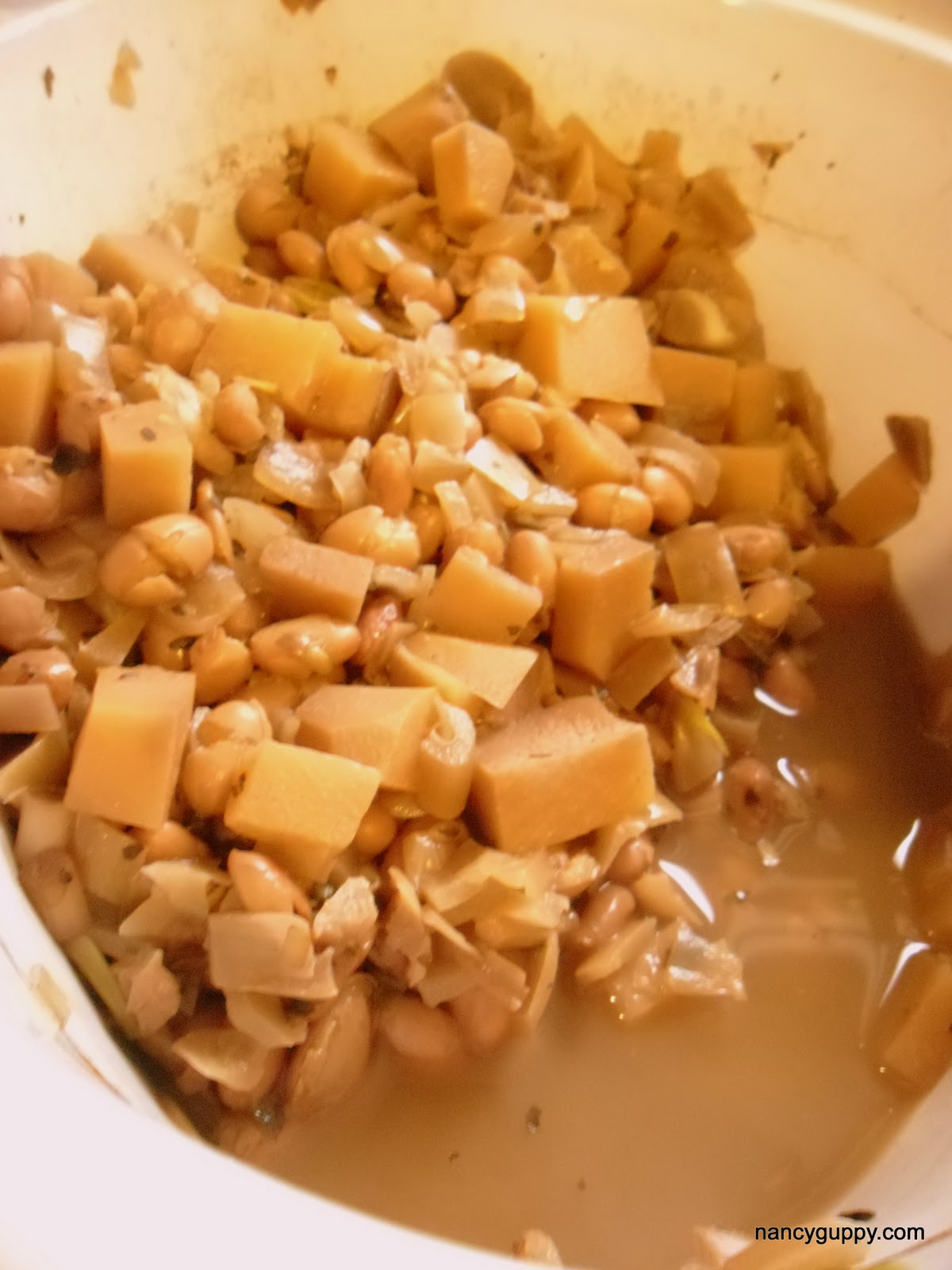
3. Stir in whole baby carrots. I used some cubed rutabaga the second time I made this as I was out of carrots. Necessity is the mother of invention. Cover and cook on LOW 4 hours. The beans should be tender and most of the liquid absorbed. It looks a little monotone with the turnip but this gets corrected.


4. Stir in slivers of coloured peppers, canned diced tomatoes with liquid, tomato paste and white wine. Cover and cook an additional. 2 hours. Taste it and see if it needs salt, more herbs etc. The polenta and cheese topping will add some saltiness so go easy.


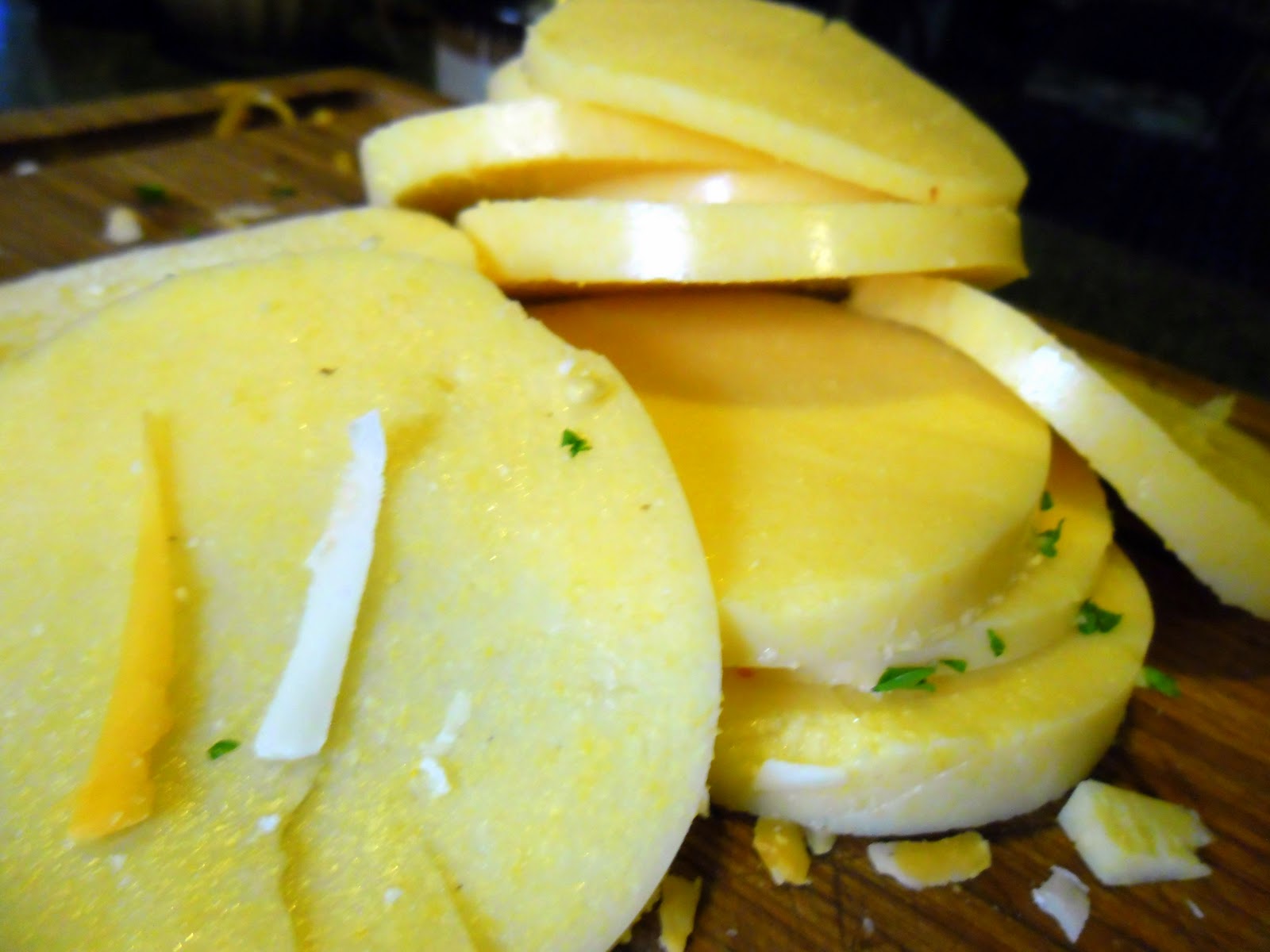
5. Slice polenta into rounds.


Arrange polenta rounds on top of the beans. Push them down into the beans a bit.


Then sprinkle on the grated Romano and mozzarella cheeses (optional). I sprinkled on some fresh parsley and paprika last for colour.


Cover and heat on low until bubbling and cheese is melted. I don't have a picture of the final product as my son and I were pretty hungry and had devoured a lot of it by the time I remembered I hadn't taken a picture.

STOVE TOP version:
1. Add dry beans to stockpot and cover with 3 times their volume of water. Bring to a boil for 2 minutes. Remove from heat, cover and let sit 1 hour.
2. Drain discarding liquid. Return soaked beans to pot along with 3 times their volume fresh water. Add fennel, thyme, basil, hot pepper, diced onion and minced garlic. Bring to a boil; reduce heat and simmer 30-45 minutes or until tender. Drain, reserving 2 cups cooking liquid.
3. In oven proof casserole combine cooked beans, reserved liquid, baby (or chopped) carrots, slivers of yellow pepper, can of tomatoes with juice, tomato paste and white wine. Cover and bake at 350'F for 2 hours.
4. Top with sliced polenta rounds. Push them down into the beans a bit. Then sprinkle on the grated Romano and mozzarella cheeses (optional). I also sprinkled on some fresh parsley and paprika last for colour. Cover and bake another hour or so until bubbling and cheese is melted.

Nutrients (per 1/8th of recipe – about 350 g): 280 calories, 14 g protein, 5 g fat, 2.5 g saturated fat, 37 g carbohydrate, 10 g fibre, 10 mg cholesterol, 640 mg sodium.  %DV (Daily Value) are 25% calcium and iron, 120% vitamin A and 130% Vitamin C. Darned good nutritionally and marvelous winter food!

Yours in good taste, © Nancy Guppy, RD, MHSc.  http://nancyguppy.com/


Simple Applesauce


I bought a big 20 lb. bag of McIntosh apples at the local grocery store for less than five bucks.  Hard and crisp; just the way I love them.  Aside from daily snacks I also used some to make this simple applesauce.  So easy and so much more flavourful than the jar stuff from the store.

I love to eat applesauce "as is" but you can also use it in baking to replace some of the fat and boost the fibre.  It goes well in smoothies and is especially nice in a smoothie with pumpkin and warm spices.  Other good ideas are to serve it with pancakes or potato latkes, ice cream or yogurt.  

Click on this link for a printable recipe.
Makes 9 x 1/2 cup - 125 ml servings (4 1/2 cups or liters)

INGREDIENTS:
2.2 lb apples, raw with skin, cored and sliced - 1 kg
2 Tbsp cold water - 30 ml (yes, it doesn't seem like enough but it is)
2 Tbsp brown sugar - 30 ml - I used organic demerara
1/2 tsp cinnamon ground - 2.5 ml

METHOD:
1.  Cut each apple into four going around core.  To do this stand the apples stem up.  Cut one vertical slice as close to the core as you can.  Turn and repeat 3 times.  Discard core.  You don't need to peel.as the peel add fibre and additional nutrients located just under the skin.  Place apples in 12-cup (3 L) pan.


2.  Top with water, sugar and cinnamon.  You can also use honey or maple syrup for a more natural sweetener.  Cover and bring to a boil.  Reduce heat and simmer until apples are starting to fall apart - about 15 minutes.


3.  Remove from heat and leave to cool. You can leave it chunky "as is" or mash or purée until smooth.    It is a matter of preference.   Cover and refrigerate any leftovers for up to 5 days.  It freezes well but if you take that approach it is best mashed or pureed.


Nutrients per ½ cup (115 grams): 70 calories, 0 g fat and saturated fat, 18 g carbohydrate, 2 g fibre, 0 mg cholesterol, 0 mg sodium.  % Daily Values are 2% calcium, iron and Vitamin A and 8% vitamin C.

Yours in good taste,
© Nancy Guppy, RD, MHSc
http://nancyguppy.com/

Friday, November 21, 2014

Cranberry Poppyseed Vinaigrette

This is one of my favourite winter salad dressings. I keep frozen cranberries on hand and it whips up fast in the blender. The ingredients are simple and also rely on a good olive oil and local honey. I have seem my daughter mop up this tasty vinaigrette with her bread! It is good over all types of greens and also in a winter salad with shredded cabbage and grated beets. Top with your favourite nuts for extra fibre and healthy fats.


Vinaigrettes are versatile and you can us them as marinades as well as salad dressings. This is a good marinade for chicken and mild, white fleshed fish.

I like to encourage people to make their own salad dressings.  It is fun to be creative and you end up with better quality and reduced fat, sugar and salt. This concoction is additive and sodium free! Traditional vinaigrettes are 3 parts oil to 1 part vinegar. Play with this…. I mostly use 1 part oil to 1 part vinegar. Another good combination is 1 part oil: 1 part vinegar and 1 part wine, stock, juice or water.  

Also, remember not to overdress your salad - ¼ to 1/3 c (50-75 ml) of vinaigrette should dress 8 cups (2 liters) of salad greens.


Click this link for a printable recipe.
INGREDIENTS:
1/2 cup cranberries, fresh or frozen - 125 ml
1/2 cup red wine vinegar - 125 ml
1/2 cup olive oil - 125 ml - I used an extra virgin cold pressed
1/2 cup honey, local - 125 ml
1/4 tsp cumin seeds - 1.25 ml
2 Tbsp poppy seeds, whole - 30 ml


METHOD:
Simply combine all ingredients, except poppy seeds, in a container like a glass jar with a lid.  Cover tightly and shake until blended. For a more stable emulsion and a creamier texture, blend in blender one minute. A food processor, traditional blender and immersion (stick) blender also work well.


Stir in poppy seeds. Store any unused portions in the fridge.  Below I am using poppyseeds I saved from my summer garden.


Nutrition Facts (per 2 Tbsp – 30 ml): 60 calories, 4 g fat, 0.5 g saturated fat, 0 mg cholesterol, 0 mg sodium, 5 g carbohydrate, 0 mg sodium, 0 g fibre, 5 g sugar, 0 g protein. % Daily Values are all 0 for calcium, iron, vitamin A and vitamin C as the serving size is small.


Yours in good taste,
© Nancy Guppy, RD, MHSc
http://nancyguppy.com/


Friday, November 7, 2014

Cranberry Honey Sauce


Looking for a twist on the more traditional cranberry sauce?  This spiced up version is delicious served with the usual roast turkey or chicken or even roast pork.  It is also makes an awesome spread served as an appetizer with cheese and crackers and a quick dessert sauce over good quality ice cream or cheese cake. The recipe features honey and red wine instead of the usual white sugar and water and is kicked up a notch with walnuts, cayenne pepper, fresh ginger and anise seed.

Click on this link for a printable recipe.
INGREDIENTS:
3 cups cranberries, fresh or frozen - 750 ml
1 cup red wine - 250 ml
1/4 cup red wine vinegar - 60 ml
3/4 cup honey - 175 ml
1/4 cup walnuts, chopped - 60 ml
1/4 tsp cayenne - 1.25 ml
1 tbsp ginger raw - 5 ml
1/4 tsp anise seed - 1.25 ml

METHOD:
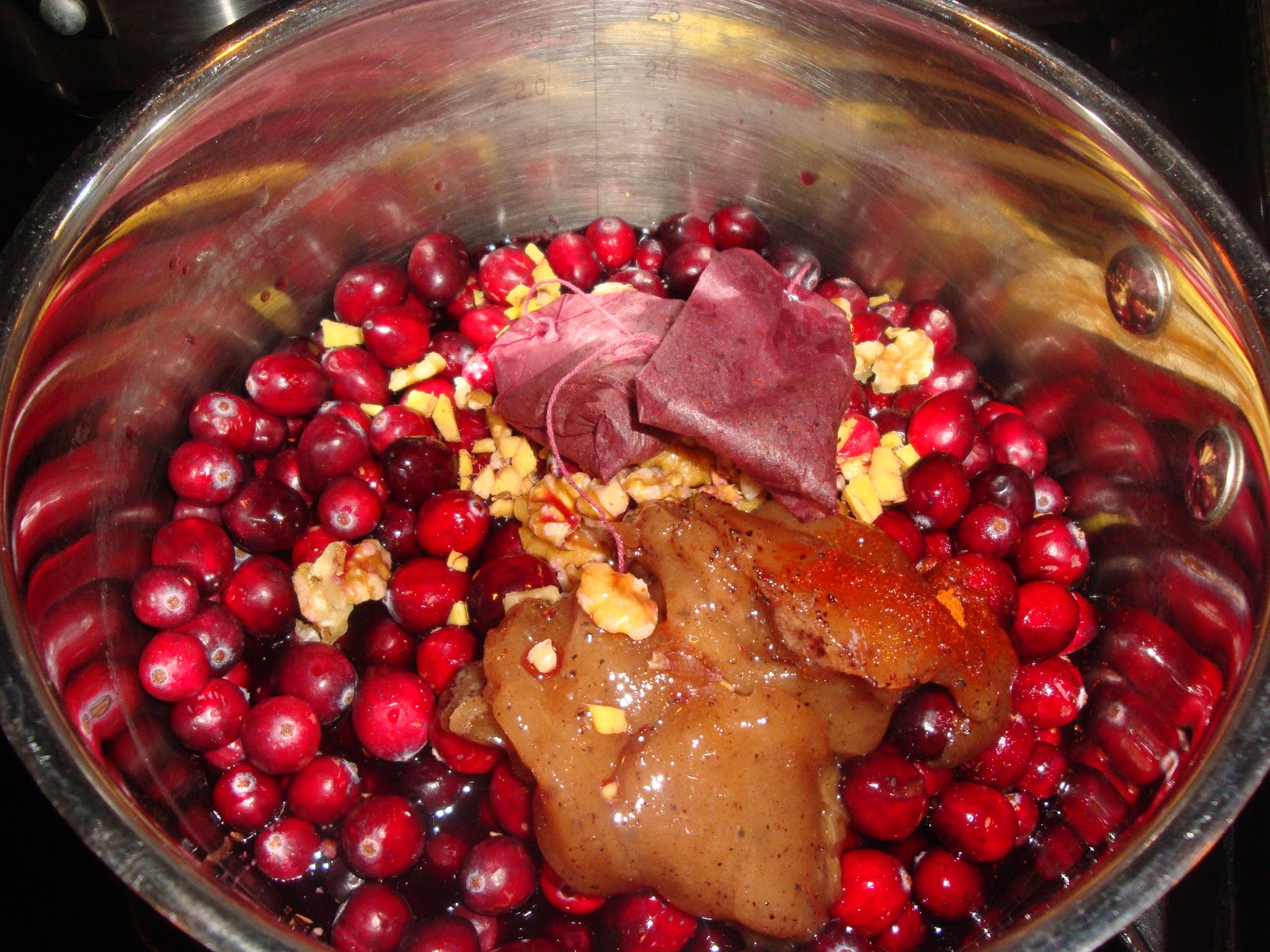
1.  Add all ingredients to a medium saucepan.  Bring to a boil, stir well and reduce heat and simmer until the skins on the cranberries start to split and pop which releases pectin and helps the sauce thicken.  It will thicken more as it cools.  In the picture below I have added a few Red Zinger tea bags and used a local cinnamon flavoured honey for extra flavour.  I have many versions of this recipe.  Make it once and you'll come up with your own modifications.  Great with a chopped fresh orange etc.


2.  Fill a sterlized 250 ml/1 cup jar with the sauce and seal.  Allow it to cool and once the lid "pops" it is sealed.  Pour remainder into a serving bowl.  Serve warm or cold.  The extra jar should be stored in the refrigerator up to 3 months.  If you want longer shelf life and not store it in the fridge you should process the jar in a boiling water bath for 20 minutes.


Yours in good taste,
© Nancy Guppy, RD, MHSc
http://nancyguppy.com/


Tuesday, November 4, 2014

Potato & Kale Pie

This is a re-work of my mom's scalloped potatoes.  Depression food.  I changed the name to get my now adult children to eat it even though they knew it was a version of the scalloped potatoes I was raised on.  "Something about the word scalloped" my daughter said.  I think it is incredibly good.

I make it often switching up various fresh herbs and vegetables layered with the potatoes.  The thinly sliced layers of onion, herbs etc are sprinkled with salt, pepper, flour and a bit of butter and then scalded milk is poured over.  It bakes up thickened without the need to make a white sauce or used canned cream soup.  Leftover chopped ham is also a popular addition between the layers.


This is an "about" recipe. The measurements aren't exact. You just make the number of pies/pans you want. The leftovers re-heat so well it shouldn't be a problem getting people to eat it up later.

Click on this link to get a printable recipe.
INGREDIENTS:
Per 9 inch (23 cm) pie plate

2 medium large potatoes, washed, but peel on, sliced about 1/4 inch thick
a few cups of kale, chopped.  Remove the stem if it is tough
1 small zucchini or patty pan squash, rutabaga or turnip, sliced same thickness of the potatoes
I medium onion, sliced thin
potato flour between layers, about a 1/2 tsp (2.5 ml) per layer - use any flour - I use gluten free potato or brown rice flour
sprinkle of salt and pepper and a bit of butter between the layers
minced herbs between the layers - I like sage and thyme leaves but use what you have on hand
1+ clove garlic, minced also spread between the layers
2 cups scalded milk to pour over - 500 ml
Top with grated cheese like old cheddar.

METHOD:
1.  Butter, oil or spray two 9 inch pie plates (2 inch deep).  I use butter as it is traditional for old school scalloped potatoes.
2.  Slice potatoes, kale, turnip/rutabaga and onion.  Peel on for potatoes and the onion gets cut into rings.  Make potato and rutabaga slices similar size pieces so they have similar cooking times.


3.  Put the milk in a saucepan and heat over medium high heat to scald which is just before boiling.  Whisk along the way.  Don't boil the milk as it can clump.
4.  Mince fresh herbs and set aside.
5.  Grate or slice cheese and set aside.
6.  To assemble place layer of potatoes over bottom of pan.  Sprinkle with some of the onions, chopped kale and then sprinkle with salt, pepper, minced herbs and the flour.  Dot with layer with a bit of butter.


7.  Add layer of rutabaga and repeat step 6.

8.  Sprinkle cheese over top and bake at 300'F for 45-60 minutes or until sauce is thickened and cheese is lightly browned.  Believe it or not I couldn't find the grater so the cheese got sliced.  Dig around the fridge and use the odds and sods of cheese that need to be used up.


Option:  Ham is a nice addition between layers. 


Yours in good taste,
© Nancy Guppy, RD, MHSc
http://nancyguppy.com/